
A·C·McClurg & Co published Chicago's books for more than a century. It came back to do the same work for authors who no longer need permission to publish, and who should not have to give up their rights to get it done.
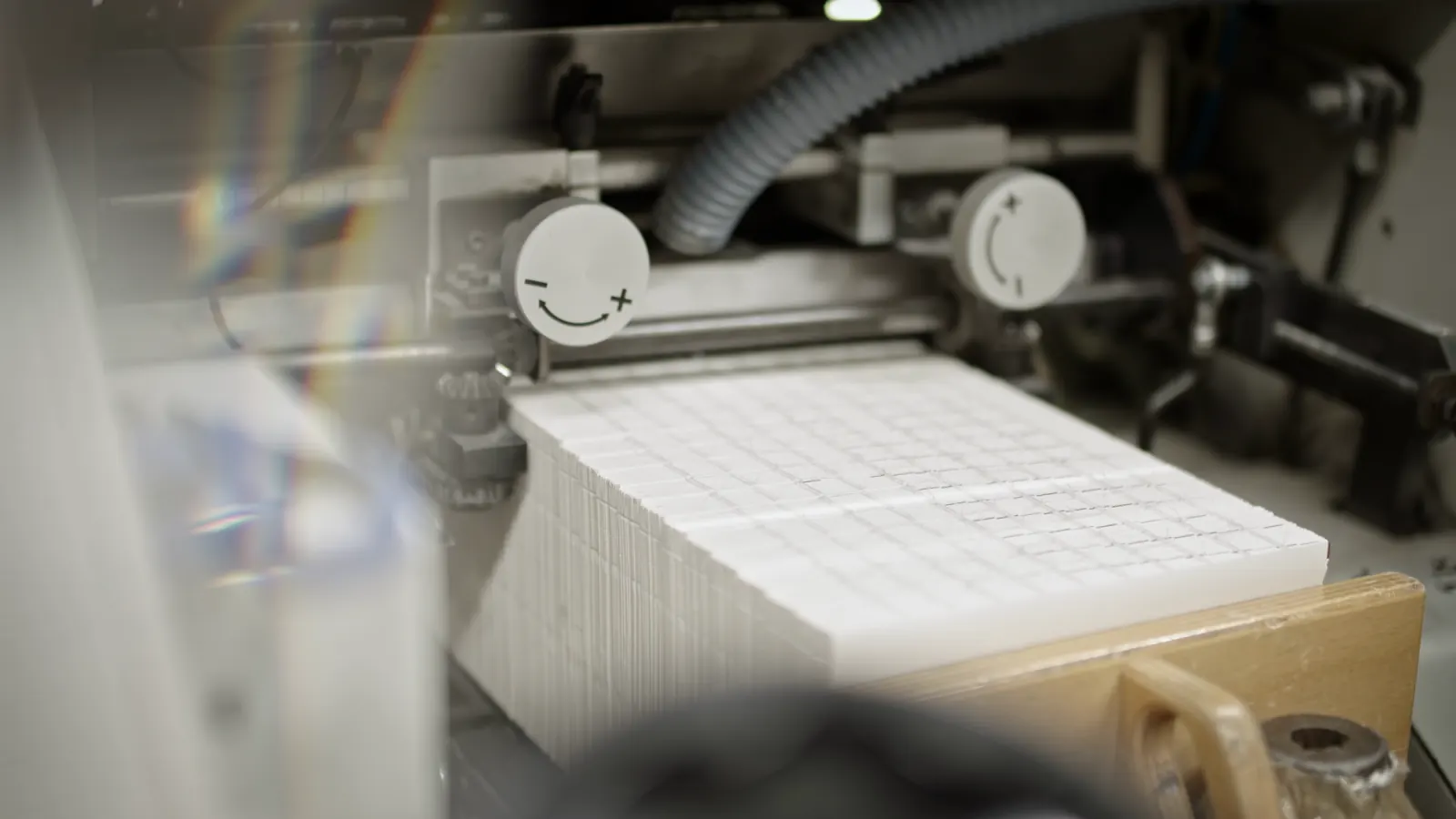
A group of writers, editors, proofreaders, designers, marketers and publishers who do this for people with an idea worth putting into the world, and no practical way to get it there alone. We give ideas a voice, and we are genuinely interested in the ones we are given.
The collective experience behind the modern house runs to more than two decades, and the imprint itself goes back to 1844. What the two halves share is the belief that the person whose name is on the cover should be the person who owns the book.
Our mission
To help writers contribute to the literary record and publish work they are proud to have their name on, without signing away the rights to it in order to do so.
Our vision
That every person has a story worth telling, and that the gap between having one and publishing one should be a matter of craft and effort rather than of access and permission.
Four figures, and every one of them checkable. Nothing here is an estimate.
1844
Publishing since
The imprint was founded in Chicago and published continuously until 1967, L. Frank Baum, Edgar Rice Burroughs and Gene Stratton-Porter among many others.
15+
Years since the revival
The house reopened in 2008 as a hybrid publisher, built around the arrangement that the author keeps 100% of their rights.
2,500+
Independent authors served
Authors who came to the house with an idea, a draft or a finished manuscript, and left with a published book they own outright.
100+
Retail platforms worldwide
Print and digital distribution to the retailers, wholesalers and libraries that readers actually buy and borrow from.
Books made here have been recognised by the industry's juries, for the writing, and for the making.





A few of the people the house has worked with, in their own words.
I had eleven years of notes and no book. What I got back read like me on a good day, my turns of phrase, my arguments, and none of the padding I would have added myself. The first chapter arrived and I stopped worrying.
Marianne ElleryIndependent author The structural edit was not comfortable reading. It told me the second half started in the wrong place, which I had suspected for a year and nobody had said out loud. Moving three chapters fixed a problem I had been trying to solve with better sentences.
Devon AlukoIndependent author What sold me was being told I did not need half of what I had asked for. I came in wanting the full package and left with a cover, a proofread and an honest explanation of why the rest would not have helped yet.
Priya RaghunathanIndependent author Three cover directions, all of them plausible, none of them the thing I had described. The one I picked worked at the size that actually matters, I could recognise it in a list of forty other books, which is more than I can say for my first attempt.
Tobias HearnIndependent author I own the book outright and that was written down before I paid anything. After two years of being quoted percentages by people who would not put them in writing, that was the whole reason I stayed.
Cecile MarchandIndependent author The audiobook took longer than I expected and they told me why each time rather than going quiet. The narrator they cast got my grandmother's accent right, which I had assumed would be the thing I had to let go of.
Nathan BoakyeIndependent author
Move the marker. You do not need to know what to call it: you only need to know where you are.